Task Management You Can Actually Share With Clients
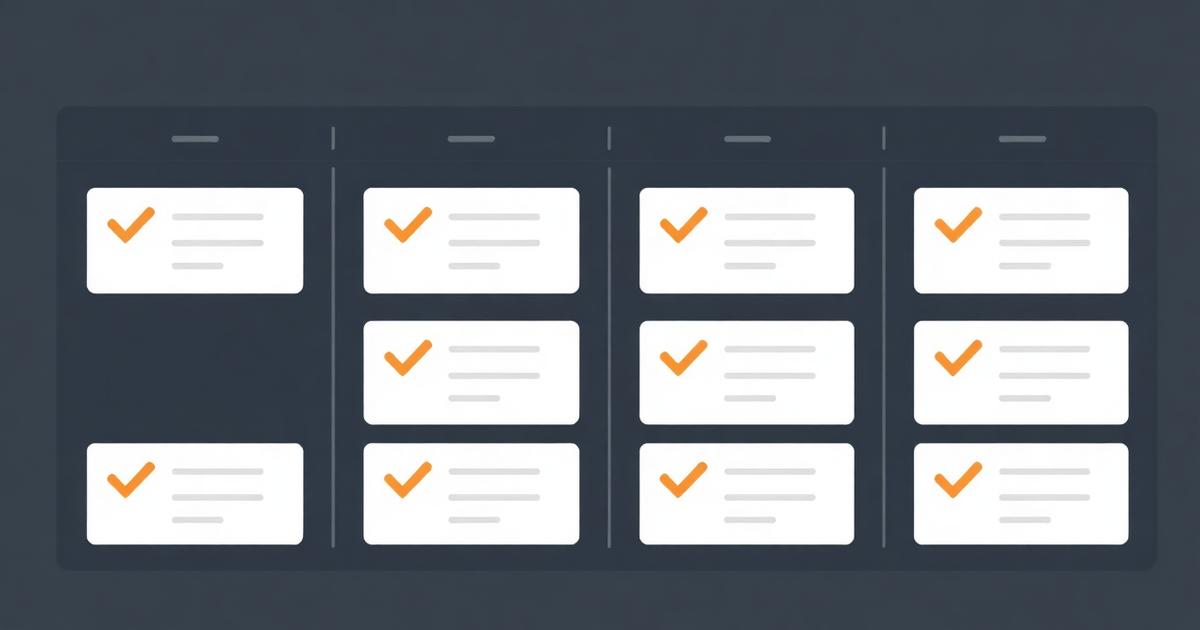
A client emails asking "where are we on the homepage copy," and someone on your team stops what they're doing to go check a task board, translate the internal shorthand into a sentence a client will understand, and reply. Multiply that by every open project and you've built an invisible full-time job: status translation. Task management with client sharing exists to remove that job, not to make your task board prettier.
Quick answer
Task management with client sharing means clients can see the status of their own tasks — what's in progress, what's done, what's blocked — without seeing internal comments, pricing, or staff notes. The right setup uses a permission layer, not just a filtered screen, and it should cut client status-update emails significantly.
Why internal task boards aren't built for clients
Most task tools are designed for the people doing the work, which means the default view is full of things a client shouldn't see: internal debate in comments, who's covering for whom, draft pricing notes attached to a task, or a task named "fix the thing Dave broke." None of that is malicious, it's just how internal work talks to itself. The fix isn't cleaning up your language — it's separating what's internal from what's client-visible at the tool level.
What "client sharing" actually needs to do
- Scope by project or client, not by exposing the whole workspace.
- Hide internal comments while showing status and due dates.
- Let clients act, at minimum leave a comment or approve a deliverable, without needing a paid seat in your main tool.
- Tie back to the client record, so a task's history connects to the contract, past projects, and contact — not just a standalone card.
- Not require IT setup for every new client. If sharing a project takes an hour of configuration, teams stop doing it.
The permission-layer test
Ask any vendor this directly: if a client clicks into a task with an internal comment thread, what do they see? If the honest answer is "the comment thread, just scrolled past," that's not client sharing — that's a guest seat with a filtered default view, and a curious client will eventually find the parts you didn't mean to show. Real client sharing enforces the boundary in the data model, so there's no comment to scroll past because the client's view never queries it.
Comparison table
| Approach | What clients see | Risk of overexposure | Setup effort |
|---|---|---|---|
| Guest seat in Asana/ClickUp | Full task if not manually restricted | Moderate to high — depends on discipline | Low, but needs per-project config |
| Shared link / read-only export | Snapshot at time of sharing | Low, but goes stale fast | Low |
| Dedicated client portal add-on | Curated project view, files, tasks | Low if built for it | Medium |
| EvronStudio client-visible tasks | Status, due dates, approvals tied to client record | Low by design | Low |
What to share and what to keep internal
Share: task name, status, due date, deliverable links once approved, and a place for the client to comment or approve. Keep internal: staff assignment names if your client relationship prefers not naming individuals, internal cost or margin notes, debate about scope creep, and anything about other clients that could leak through a shared filter mistake.
A simple rule of thumb
If you'd be comfortable reading the comment out loud on a client call, it can be client-visible. If not, it belongs in an internal-only field. This one heuristic solves most of the "wait, should this be shared" debates I see teams have.
Rolling it out without overwhelming your team
Start with one client type — say, retainer clients who ask for status most often — and share just their active project. Watch for two months whether email volume for status questions actually drops. If it does, expand. If clients don't engage with the shared view and keep emailing anyway, the friction might be discoverability, not the feature itself; a monthly link reminder in your check-in email usually fixes that. This mirrors the staged rollout I recommend in how to share files with clients securely, where teams that jump straight to "share everything with everyone" create more support tickets than they solve.
Where EvronStudio fits, honestly
EvronStudio ties tasks to the client record by default, so a client-visible view is a filter on data that already knows which client owns which task — there's no separate export or snapshot step. That's the advantage over bolting client sharing onto a pure task tool. The trade-off: if you need a heavily branded, standalone client portal with its own login domain and white-label design, a dedicated client portal software for small business may go further on branding than a shared task view will. For most service teams under 20 people, though, the simpler shared-task approach solves the actual problem — status questions — without a second tool to maintain. See share project updates with clients for the update-cadence side of this, and all-in-one CRM and project management for how the client record ties everything together.
Research from McKinsey on client communication in professional services consistently finds that responsiveness, not deliverable quality alone, drives client satisfaction scores — and status visibility is one of the cheapest ways to improve perceived responsiveness without adding staff hours. If you're deciding between task tools for this reason specifically, weigh guest-seat pricing carefully too: some Asana alternative options charge per external guest, which adds up fast once you have a dozen clients wanting visibility. And if your board layout is still evolving, kanban board for client work covers how to structure columns so a client-facing view actually makes sense to someone outside your team.
The short version: client sharing isn't a nice-to-have feature, it's a way to stop paying your own staff to manually repeat information the software already has.
Frequently asked questions
- Can I share tasks with clients without giving them full account access?
- Yes, with tools that support a scoped or read-only client view. You pick which tasks or projects the client can see, and internal comments, pricing notes, and staff assignments stay hidden even though the underlying task is the same record your team works from.
- Is it safe to share task management with clients directly?
- It's safe if the tool separates internal fields from client-visible fields at the record level, not just by hiding a column in the UI. Ask any vendor whether client-shared views are a genuine permission layer or just a filtered screen that a determined client could still find a way around.
- What's the difference between a client portal and shared task management?
- A client portal is usually a dedicated space with documents, invoices, and messages alongside tasks. Shared task management is narrower — just visibility into what's in progress and what's done. Many teams start with shared tasks and add portal features like files later.
- Do clients actually want to see task boards?
- Some do, especially operationally minded clients who used to get weekly status emails. Others just want the answer to 'is this done yet' without a call. Either way, a shared view reduces status-update emails, which is the real ROI, not client engagement with the board itself.
- Which tools support client-facing task sharing well?
- Asana and ClickUp support limited guest access, but usually expose more of the internal workspace than teams are comfortable with unless carefully configured. EvronStudio and dedicated client portal tools are built with client-visible views as a first-class feature rather than a guest workaround.
About the author
Claire Bennett writes for EvronStudio on task management for small B2B teams. Meet the editorial team.
Part of our guide to Task Management Software for Small Teams: A No-Bloat Guide.
Keep reading
Running Client Work on a Kanban Board (Setup + Template)
How to set up a kanban board for client work that scales past a handful of clients, with a column template and common failure points.
Task ManagementTask Delegation Software: Assign, Track, Actually Follow Up
Task delegation software should make follow-up automatic, not just track who a task is assigned to. Here's what to look for and how to compare.
Task ManagementTo-Do List vs Task Manager: When a List Stops Being Enough
To-do list vs task manager: what actually separates them, and the signs your team has outgrown a simple checklist app.